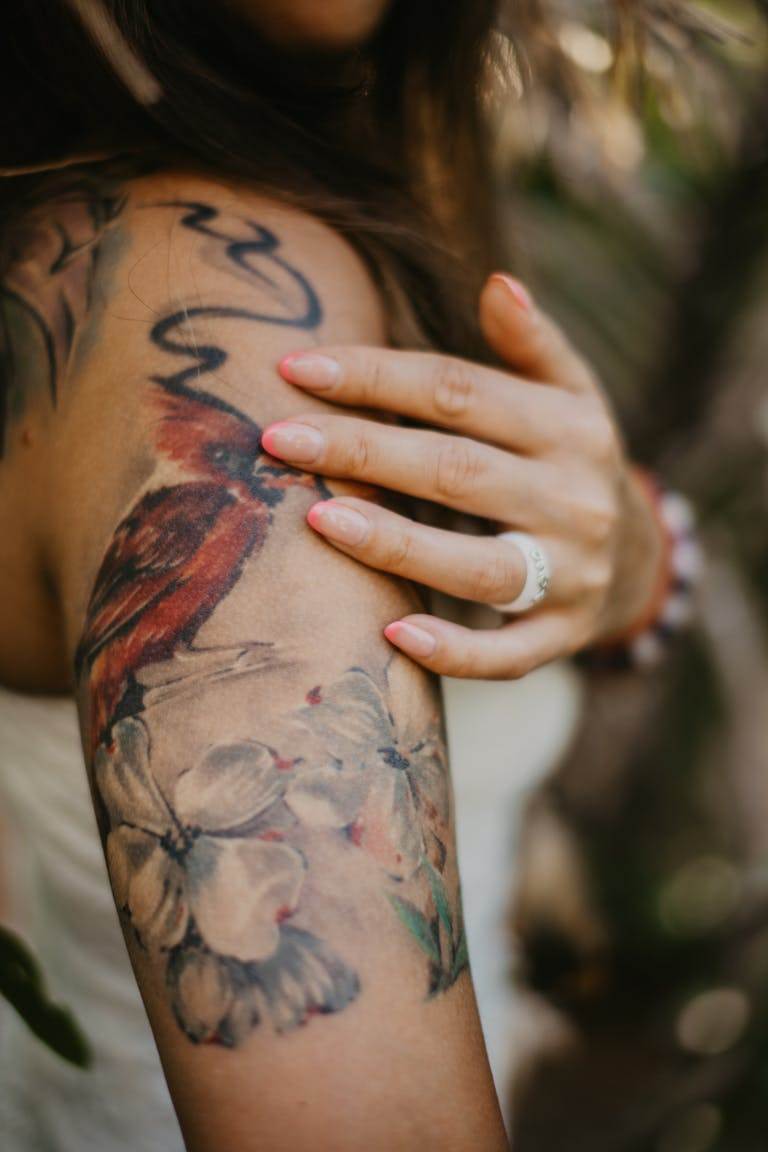
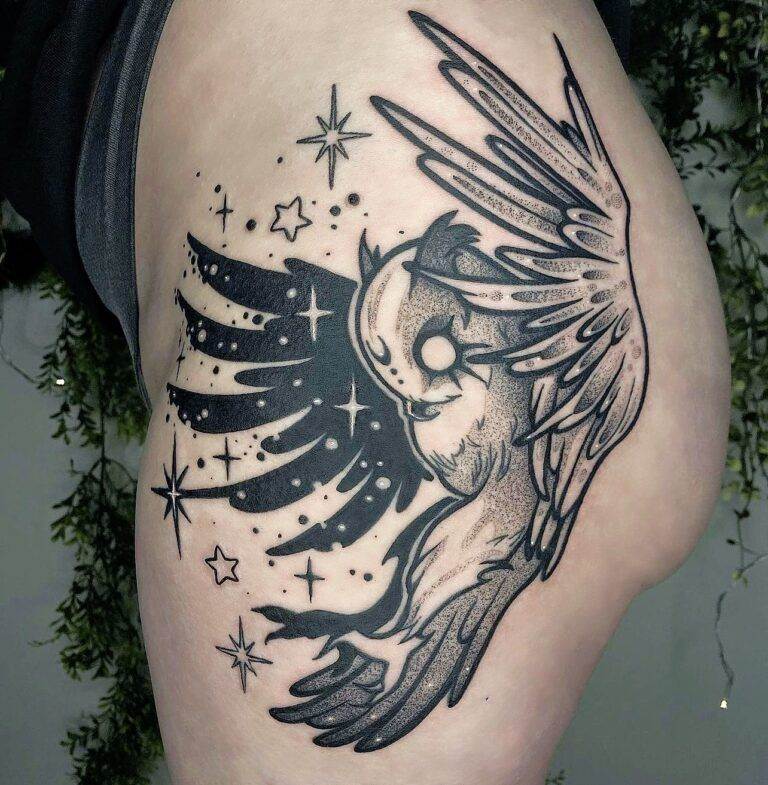
The healing process of a tattoo is a crucial aspect that every individual should be aware of before getting inked. When a tattoo is applied, the needle punctures the skin, creating a wound that needs time to heal. This process typically unfolds in several stages, beginning with the initial inflammation and redness that can last for a few days.
During this time, the body’s immune system kicks into gear, sending white blood cells to the area to combat any potential infection. It’s essential to understand that this initial phase is just the beginning of a more extended healing journey. As the days progress, the tattoo will begin to scab over, and the skin will start to peel.
This is a natural part of the healing process, as the body works to regenerate new skin cells. It’s important to resist the urge to pick at scabs or peeling skin, as this can lead to scarring or color loss in the tattoo. Typically, the healing process can take anywhere from two weeks to a month, depending on various factors such as skin type, tattoo size, and placement.
Understanding these stages can help individuals manage their expectations and care for their new ink appropriately.



Key Takeaways
- Understanding the healing process is crucial for proper tattoo aftercare
- Choosing the right tattoo placement can impact the healing process
- Proper aftercare for healing tattoos includes keeping the area clean and moisturized
- Modifications to your workout routine may be necessary to prevent damage to healing tattoos
- Avoiding sun exposure is important for protecting healing tattoos from fading or damage
Choosing the Right Tattoo Placement
Selecting the right placement for a tattoo is a decision that goes beyond aesthetics; it also impacts the healing process and overall experience. Different areas of the body have varying levels of sensitivity and healing capabilities. For instance, areas with more muscle and fat tend to heal faster than those with thin skin or high friction, such as the elbows or knees.
When considering placement, it’s essential to think about how often the area will be exposed to movement or irritation during daily activities. Moreover, placement can also influence how visible the tattoo will be in different contexts. Some individuals may prefer tattoos that are easily concealable for professional settings, while others may want their ink to be prominently displayed.
It’s crucial to weigh these factors carefully, as they can affect not only the healing process but also how one feels about their tattoo in the long run. Ultimately, choosing the right placement is about finding a balance between personal expression and practical considerations.
Proper Aftercare for Healing Tattoos
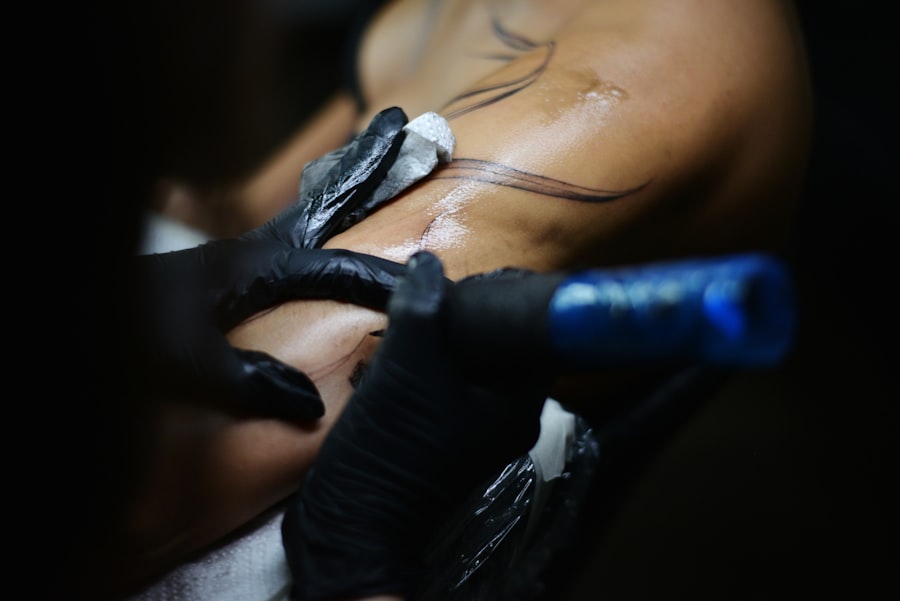
Aftercare is an integral part of ensuring that a tattoo heals properly and retains its vibrancy. Following the artist’s instructions is paramount, as they often provide specific guidelines tailored to their techniques and ink types. Generally, aftercare begins immediately after leaving the tattoo shop.
Keeping the tattoo covered for a few hours is common practice to protect it from bacteria and dirt. Once it’s time to remove the bandage, gently washing the area with mild soap and water is essential to keep it clean. Moisturizing is another critical component of aftercare.
Applying a fragrance-free lotion or specialized tattoo aftercare ointment helps keep the skin hydrated and promotes healing. It’s important to avoid using products with alcohol or strong fragrances, as these can irritate the skin and hinder the healing process. Regularly moisturizing and keeping an eye out for any signs of infection—such as excessive redness or pus—can make a significant difference in how well a tattoo heals.
Modifications to Your Workout Routine
For fitness enthusiasts, incorporating a new tattoo into an existing workout routine requires some adjustments. Engaging in high-impact exercises immediately after getting inked can lead to excessive sweating and friction on the tattooed area, which may impede healing. It’s advisable to take a break from intense workouts for at least a week or until the tattoo has sufficiently healed.
This doesn’t mean abandoning fitness altogether; rather, it’s about modifying routines to accommodate healing. Low-impact exercises such as walking or gentle yoga can be excellent alternatives during this period. These activities allow individuals to maintain their fitness levels without putting undue stress on their new tattoo.
Additionally, focusing on core strength or upper body workouts while avoiding movements that involve the tattooed area can help keep one active without compromising healing. Listening to your body during this time is crucial; if something feels uncomfortable or painful, it’s best to stop and reassess.
Avoiding Sun Exposure
Sun exposure can be detrimental to a healing tattoo, making it essential to take precautions during this period. UV rays can cause fading and discoloration, which may affect the overall appearance of the tattoo long-term. During the initial healing phase, it’s advisable to keep the tattoo covered with loose clothing when outdoors.
This not only protects it from sunlight but also shields it from dirt and bacteria that could lead to infection. Once the tattoo has healed completely, applying sunscreen with a high SPF becomes vital for maintaining its vibrancy. Even after healing, UV rays can cause fading over time, so protecting your ink should remain a priority.
Regularly applying sunscreen when exposed to sunlight will help preserve the colors and details of your tattoo for years to come.
Hydration and Nutrition for Faster Healing
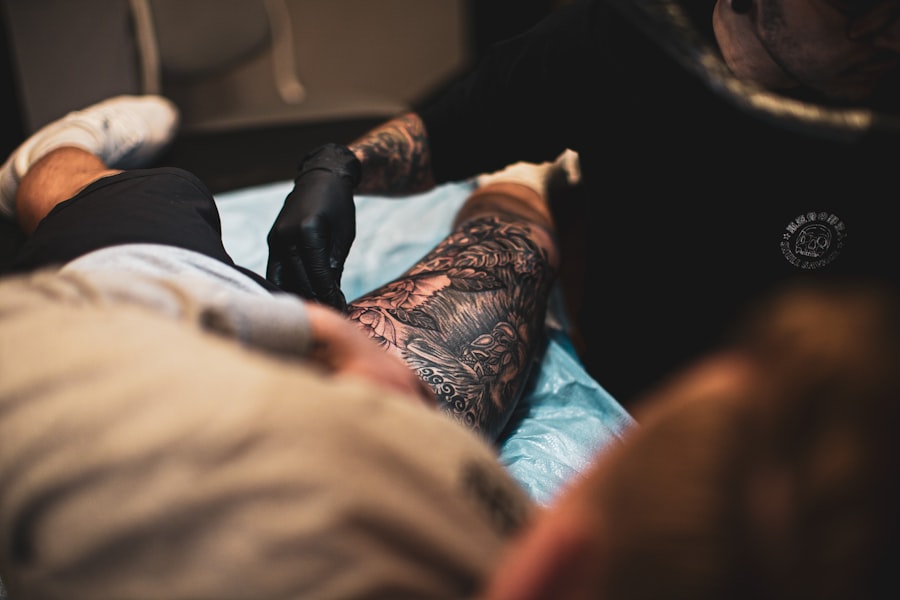
Hydration plays a significant role in the healing process of a tattoo. Drinking plenty of water helps keep the skin hydrated from within, promoting faster recovery and reducing dryness that can lead to itching or irritation. Additionally, maintaining a balanced diet rich in vitamins and minerals can support skin health and overall healing.
Foods high in antioxidants, such as fruits and vegetables, can help combat inflammation and promote tissue repair. Incorporating protein into your diet is also essential for healing since it aids in cell regeneration. Foods like lean meats, beans, and nuts provide the necessary building blocks for new skin cells.
Omega-3 fatty acids found in fish and flaxseeds can also help reduce inflammation and promote healthy skin. By focusing on hydration and nutrition during this time, individuals can significantly enhance their body’s ability to heal effectively.
Listening to Your Body
One of the most important aspects of caring for a new tattoo is listening to your body’s signals throughout the healing process. Each person’s experience with tattoos can vary widely based on individual skin types, pain thresholds, and overall health conditions. If you notice any unusual symptoms such as excessive swelling, persistent pain, or signs of infection like pus or fever, it’s crucial to seek medical advice promptly.
Moreover, understanding your body’s limits during this time is essential for ensuring proper healing. If certain movements or activities cause discomfort in the tattooed area, it’s wise to modify your routine accordingly. Being attuned to how your body responds not only aids in recovery but also enhances your overall experience with your new ink.
Incorporating Low-impact Workouts
While high-impact workouts may need to be put on hold during the initial healing phase of a tattoo, there are plenty of low-impact exercises that can be incorporated into your routine without compromising recovery. Activities such as swimming (once fully healed), cycling, or gentle stretching can keep you active while allowing your tattoo time to heal properly. These exercises help maintain cardiovascular fitness without putting stress on sensitive areas.
Additionally, low-impact workouts can be an excellent opportunity for mindfulness practices such as yoga or Pilates. These activities not only promote physical well-being but also encourage relaxation and stress relief during what can be an anxious time for those with new tattoos. By focusing on low-impact movements, individuals can stay engaged in their fitness journey while ensuring their tattoos heal beautifully and effectively.
In conclusion, understanding the intricacies of tattoo care—from the healing process to proper aftercare—is essential for anyone considering getting inked at Opal Lotus in Houston or elsewhere. By making informed decisions about placement, modifying workout routines, avoiding sun exposure, staying hydrated, listening to one’s body, and incorporating low-impact exercises into daily life, individuals can ensure their tattoos heal beautifully while maintaining their overall health and wellness.
FAQs
What is the best way to care for a new tattoo while maintaining a fitness routine?
To care for a new tattoo while maintaining a fitness routine, it is important to keep the tattoo clean and moisturized. Avoid activities that may cause excessive sweating or friction on the tattooed area, and consider modifying workouts to minimize movement of the tattooed area.
How long should I wait before returning to my regular workout routine after getting a new tattoo?
It is recommended to wait at least 48 hours before returning to your regular workout routine after getting a new tattoo. This allows the tattoo to begin the initial healing process and reduces the risk of irritation or infection.
Are there specific exercises or movements to avoid after getting a new tattoo?
After getting a new tattoo, it is best to avoid exercises or movements that cause excessive stretching, rubbing, or sweating on the tattooed area. This may include activities such as heavy weightlifting, high-impact cardio, or exercises that involve a lot of twisting or bending.
What are the signs of an infection in a new tattoo, and when should I seek medical attention?
Signs of infection in a new tattoo may include increased redness, swelling, warmth, or pain in the tattooed area, as well as the presence of pus or fluid. If you experience any of these symptoms, it is important to seek medical attention promptly to prevent further complications.
Can I apply sunscreen to a healing tattoo before going outside for a workout?
It is generally recommended to avoid applying sunscreen to a healing tattoo, as the chemicals and fragrances in sunscreen may irritate the tattooed area. Instead, it is best to cover the tattoo with clothing or a bandage to protect it from the sun while working out outdoors.