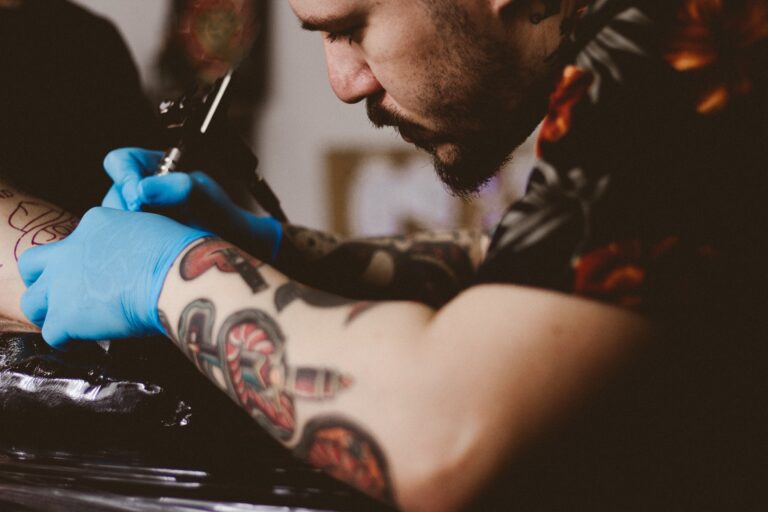
The process of getting a tattoo is not just a matter of artistry and skill; it also involves a significant physiological response from the body. After the needle has punctured the skin, the body begins its healing process, which can be influenced by various factors, including nutrition. Proper nutrition plays a crucial role in how well and how quickly a tattoo heals.
When the body receives the right nutrients, it can effectively repair itself, reducing the risk of complications such as infections or excessive scarring. A well-nourished body is better equipped to handle the trauma of tattooing, leading to a more vibrant and long-lasting design. Moreover, the healing process can be quite taxing on the body, requiring additional energy and resources to mend the skin.
Nutrients such as vitamins and minerals are essential for cellular repair and regeneration. A balanced diet rich in these nutrients not only supports the healing of the tattooed area but also promotes overall skin health. This is particularly important for individuals who are considering getting a tattoo, as understanding the impact of nutrition can help them prepare their bodies for the procedure and ensure optimal results.


Key Takeaways
- Proper nutrition is crucial for the healing of tattoos
- Vitamin A is essential for skin repair and regeneration
- Vitamin C helps boost collagen production for faster healing
- Vitamin E protects and nourishes the skin during the healing process
- Vitamin K supports wound healing and reduces bruising
Vitamin A: The Skin Repair Powerhouse
Vitamin A is often hailed as a skin repair powerhouse due to its vital role in maintaining healthy skin. This fat-soluble vitamin is essential for cellular growth and differentiation, making it particularly important during the healing process following a tattoo. When a tattoo is applied, the skin undergoes trauma, and vitamin A helps to facilitate the regeneration of skin cells, ensuring that the area heals properly.
It also aids in the production of new skin cells, which can help to minimize scarring and promote a smoother appearance. In addition to its regenerative properties, vitamin A also plays a role in maintaining skin elasticity and hydration. This is crucial for tattoo healing, as well-hydrated skin is less prone to irritation and complications.
Foods rich in vitamin A, such as carrots, sweet potatoes, and leafy greens, should be incorporated into one’s diet before and after getting a tattoo. By ensuring an adequate intake of this essential nutrient, individuals can support their skin’s healing process and enhance the overall appearance of their new ink.

Vitamin C: Boosting Collagen Production
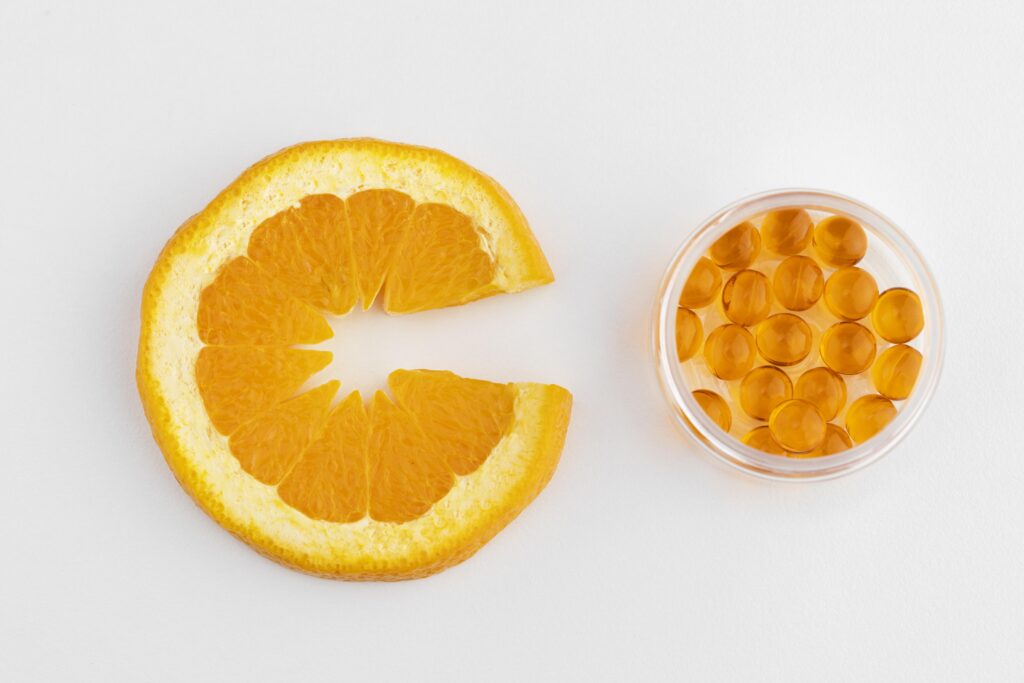
Vitamin C is another critical nutrient that significantly impacts tattoo healing. Known for its powerful antioxidant properties, vitamin C plays a vital role in collagen synthesis, which is essential for skin repair and regeneration. Collagen is a protein that provides structure and elasticity to the skin, making it crucial for maintaining its integrity during the healing process.
When a tattoo is applied, collagen production ramps up to repair the damaged skin, and adequate levels of vitamin C are necessary to support this process. In addition to its role in collagen production, vitamin C also helps to protect the skin from oxidative stress caused by free radicals. This protection is particularly important during the healing phase when the skin is vulnerable to environmental factors that could hinder recovery.
Citrus fruits, strawberries, bell peppers, and broccoli are excellent sources of vitamin C that can be easily incorporated into one’s diet. By prioritizing vitamin C intake before and after getting a tattoo, individuals can enhance their skin’s ability to heal and maintain its youthful appearance.
Vitamin E: Protecting and Nourishing the Skin
Vitamin E is renowned for its protective and nourishing properties, making it an essential nutrient for anyone undergoing the tattoo healing process. This fat-soluble vitamin acts as a powerful antioxidant that helps to neutralize free radicals, which can cause damage to skin cells during healing. By reducing oxidative stress, vitamin E supports a healthier recovery environment for the tattooed area, minimizing the risk of complications such as infections or prolonged healing times.
Furthermore, vitamin E is known for its moisturizing properties, which can help keep the skin hydrated during the healing process. Well-hydrated skin is less likely to become dry or flaky, which can lead to irritation and affect the appearance of the tattoo. Foods rich in vitamin E include nuts, seeds, spinach, and avocados.
Incorporating these foods into one’s diet can provide the necessary nutrients to support skin health and enhance the overall healing experience after getting a tattoo.
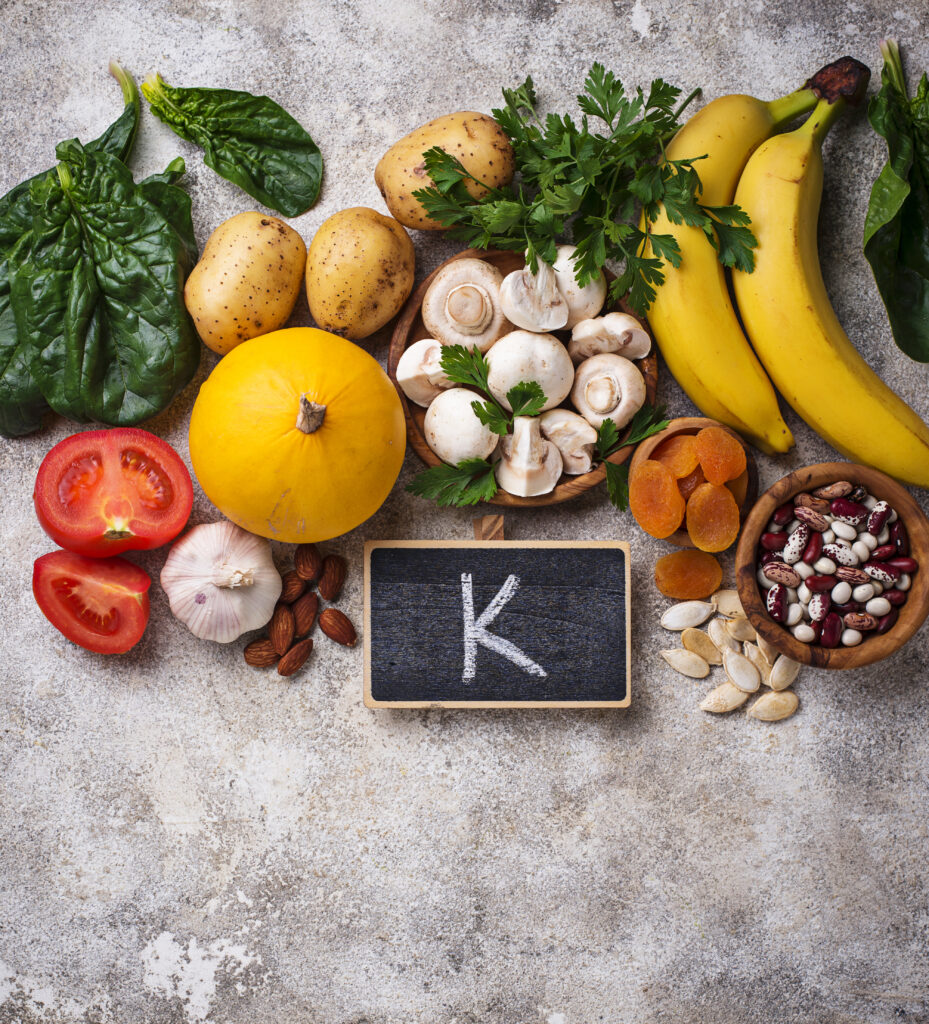
Vitamin K: Supporting Wound Healing
Vitamin K plays a crucial role in wound healing, making it an important nutrient for those who have recently gotten a tattoo. This fat-soluble vitamin is essential for blood clotting and helps to regulate calcium levels in the body, both of which are vital for effective wound healing. When a tattoo is applied, the skin experiences trauma that requires proper clotting mechanisms to prevent excessive bleeding and promote recovery.
Adequate levels of vitamin K can help ensure that this process occurs smoothly. In addition to its role in clotting, vitamin K also aids in reducing bruising and inflammation around the tattooed area. This can be particularly beneficial during the initial healing phase when swelling may occur.
Foods such as leafy greens, broccoli, and fermented foods are excellent sources of vitamin K that can be easily included in one’s diet. By focusing on vitamin K intake before and after getting a tattoo, individuals can support their body’s natural healing processes and promote a quicker recovery.

B Vitamins: Essential for Healthy Skin
B vitamins are a group of essential nutrients that play various roles in maintaining healthy skin and supporting overall well-being. These vitamins are involved in numerous metabolic processes that contribute to skin health, including energy production and cellular repair. For individuals who have recently gotten a tattoo, ensuring adequate intake of B vitamins can significantly impact their healing journey.
Among the B vitamins, B6 (pyridoxine) and B12 (cobalamin) are particularly important for skin health. Vitamin B6 helps regulate hormonal balance and supports immune function, both of which are crucial during the healing process. Vitamin B12 plays a role in red blood cell formation and helps maintain healthy nerve function, contributing to overall skin vitality.
Foods rich in B vitamins include whole grains, legumes, eggs, and dairy products. By incorporating these foods into their diet, individuals can provide their bodies with the necessary nutrients to support optimal healing after getting a tattoo.
Zinc: Promoting Cell Regeneration
Zinc is an essential mineral that plays a vital role in numerous biological functions, including cell regeneration and immune response. For those who have recently received a tattoo, zinc is particularly important as it supports the body’s ability to heal wounds effectively. This mineral aids in protein synthesis and cell division, both of which are crucial for repairing damaged skin after tattooing.
In addition to its regenerative properties, zinc also has anti-inflammatory effects that can help reduce swelling and redness around the tattooed area. This can lead to a more comfortable healing experience and improve the overall appearance of the tattoo as it heals. Foods rich in zinc include oysters, beef, pumpkin seeds, and lentils.
By ensuring adequate zinc intake before and after getting a tattoo, individuals can enhance their body’s natural healing processes and promote healthier skin.
Omega-3 Fatty Acids: Reducing Inflammation and Supporting Skin Health
Omega-3 fatty acids are essential fats that play a significant role in maintaining overall health, including skin health. These fatty acids are known for their anti-inflammatory properties, which can be particularly beneficial during the tattoo healing process. When a tattoo is applied, inflammation is a natural response as the body works to repair itself; however, excessive inflammation can hinder healing and lead to complications such as scarring or infection.
Incorporating omega-3 fatty acids into one’s diet can help modulate this inflammatory response, promoting a more balanced healing process. Foods rich in omega-3s include fatty fish like salmon and mackerel, flaxseeds, chia seeds, and walnuts. By prioritizing these foods before and after getting a tattoo, individuals can support their skin’s health while also enhancing their body’s ability to recover from the trauma of tattooing.
In conclusion, nutrition plays an integral role in the healing process following a tattoo. By focusing on key nutrients such as vitamins A, C, E, K, B vitamins, zinc, and omega-3 fatty acids, individuals can significantly enhance their body’s ability to heal effectively. A well-balanced diet not only supports optimal recovery but also contributes to long-lasting results that showcase the artistry of the tattoo itself.
As such, anyone considering getting inked should take nutrition seriously as part of their preparation for this transformative experience at Opal Lotus in Houston.
FAQs
What is a tattoo-friendly diet?
A tattoo-friendly diet refers to a nutrition plan that supports the healing and maintenance of skin, which is essential for the health and vibrancy of tattoos.
Why is it important to have a tattoo-friendly diet?
A tattoo-friendly diet is important because it can help promote skin repair, maintain the vibrancy of tattoos, and support overall skin health.
What vitamins promote skin repair?
Vitamins that promote skin repair include vitamin A, vitamin C, vitamin E, and vitamin K. These vitamins play a crucial role in supporting the skin’s natural healing processes.
How can a tattoo-friendly diet help maintain the vibrancy of tattoos?
A diet rich in vitamins and nutrients can help maintain the vibrancy of tattoos by supporting the skin’s ability to heal and regenerate, which can prevent fading and keep the colors of the tattoo looking fresh.
What are some examples of foods that are part of a tattoo-friendly diet?
Foods that are part of a tattoo-friendly diet include fruits and vegetables rich in vitamins A, C, and E, as well as foods high in omega-3 fatty acids, such as fish and nuts. Additionally, foods high in protein, like lean meats and legumes, can also support skin health.