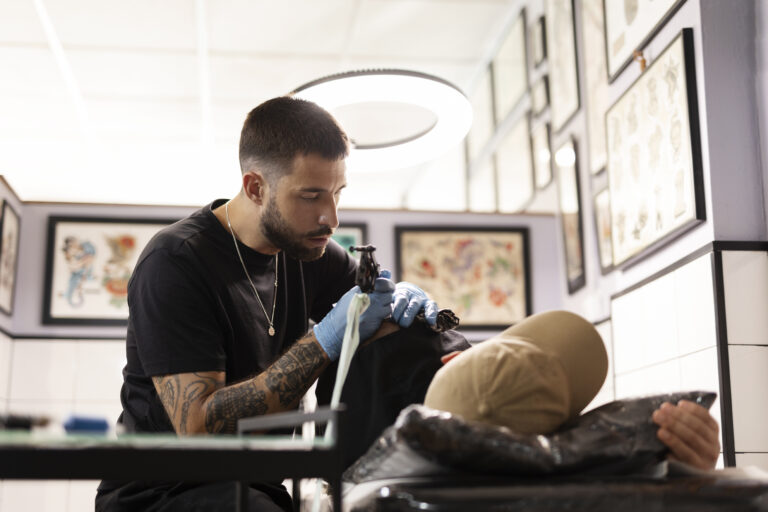
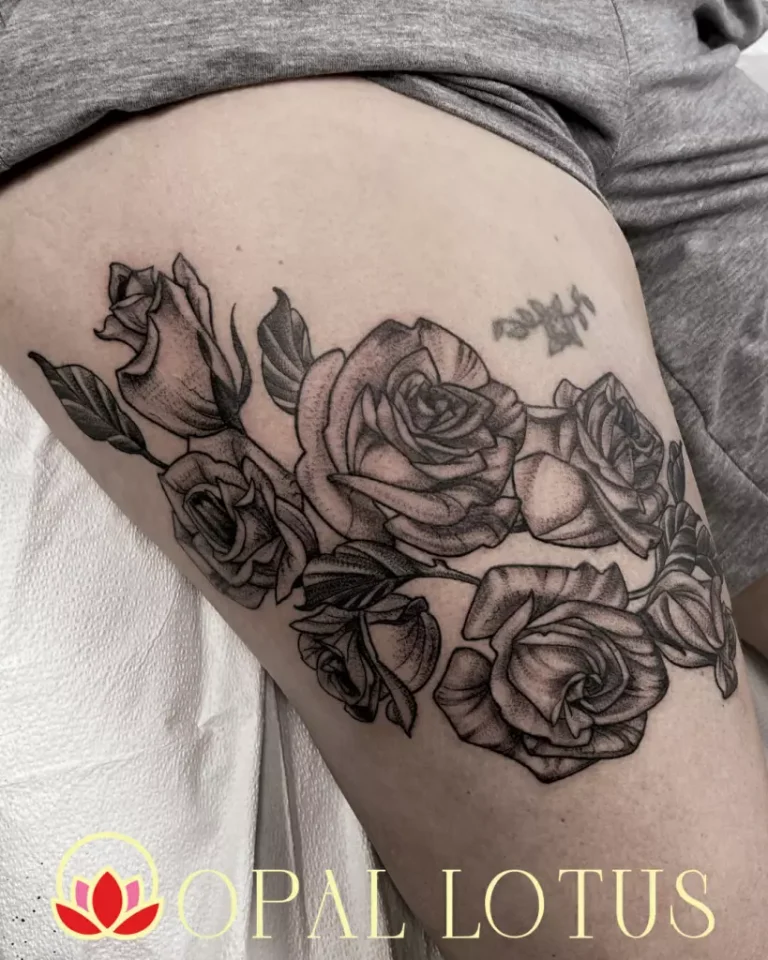
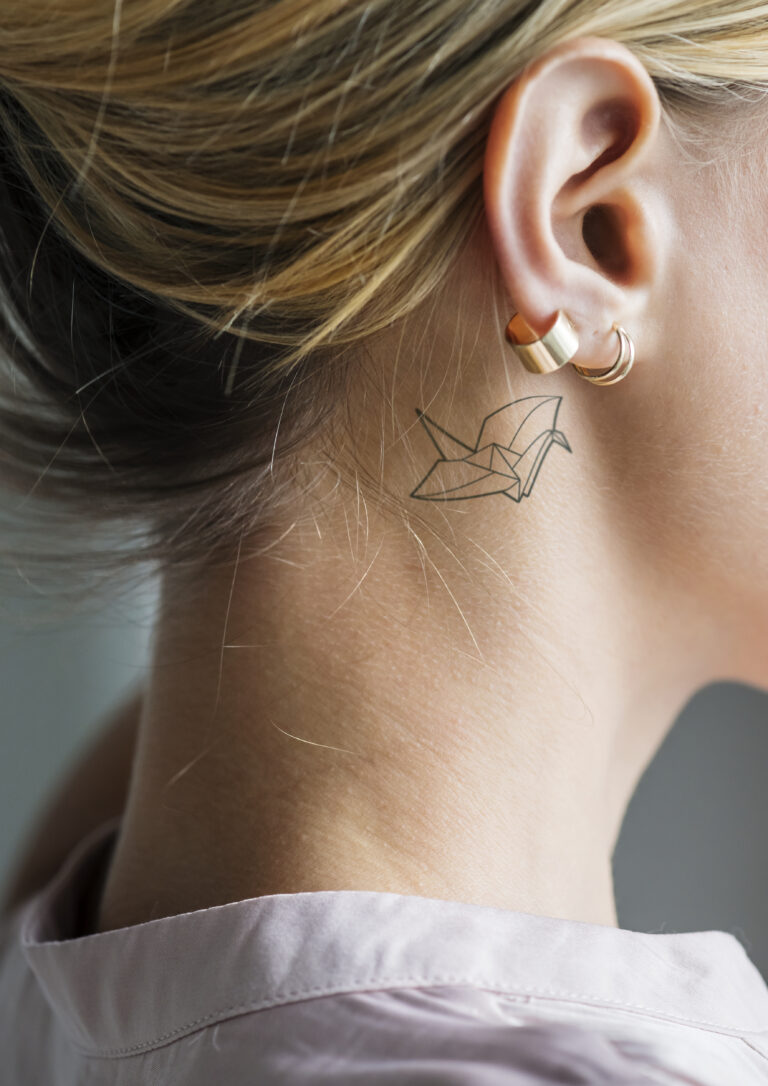
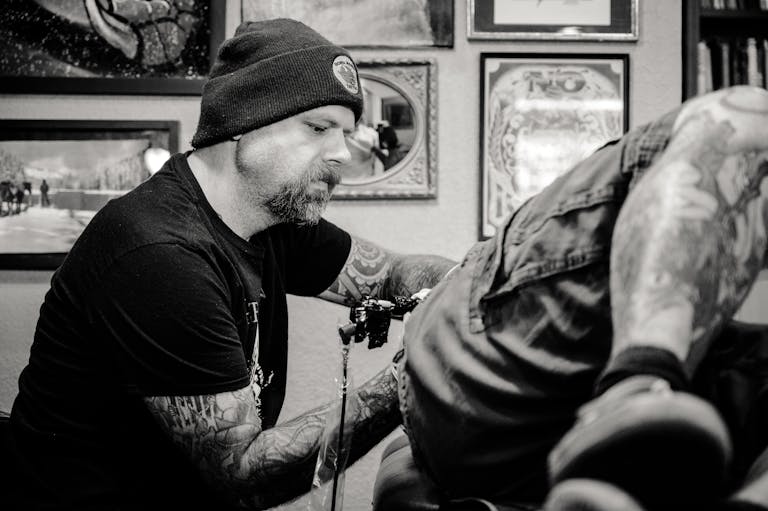
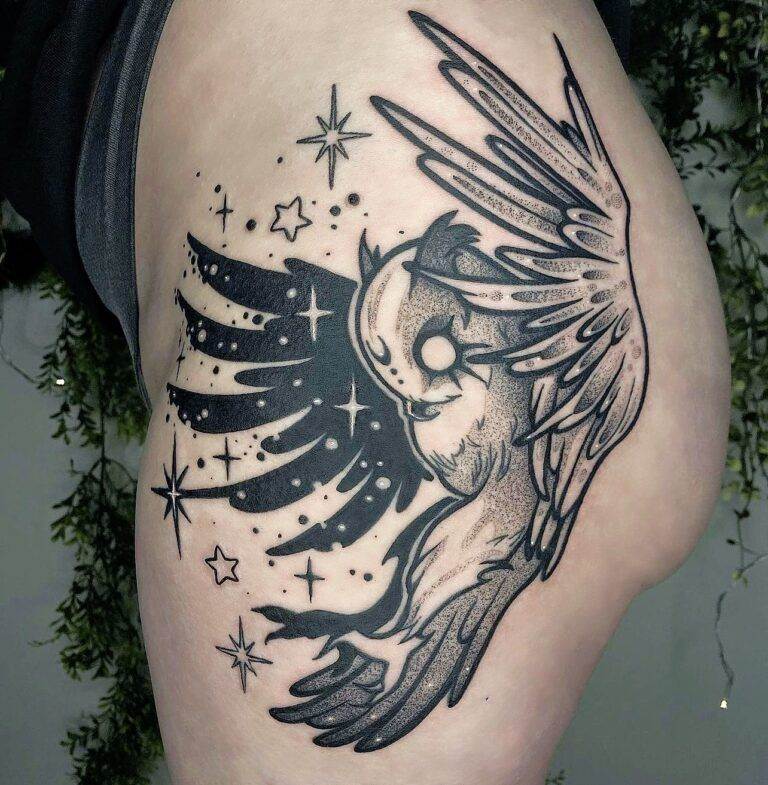
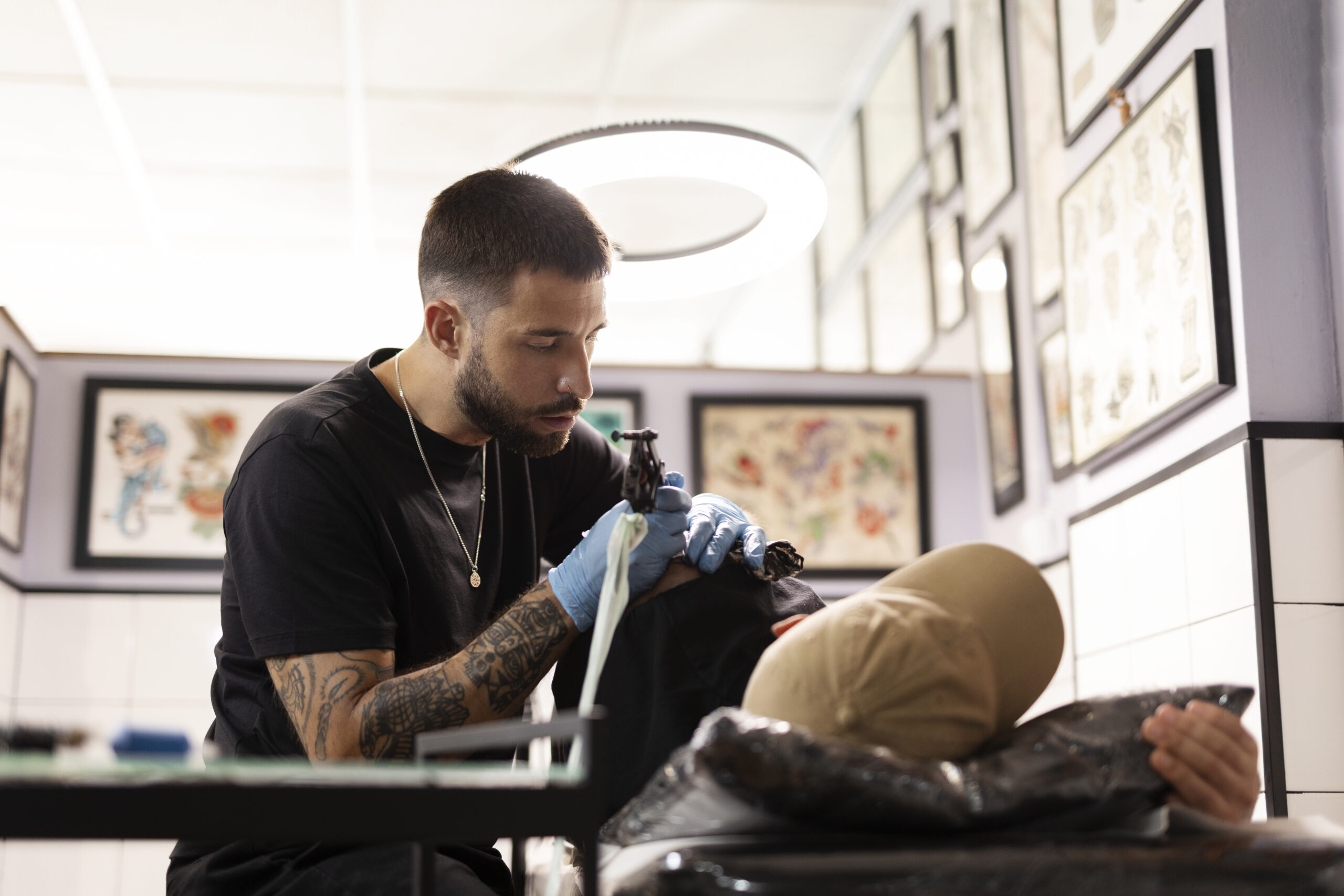
When embarking on the journey of getting a tattoo, the consultation phase is crucial. One of the most significant aspects of this process is the use of reference photos. These images serve as visual aids that help bridge the gap between the client’s vision and the artist’s interpretation.
Reference photos can clarify the style, size, and intricacies of the desired tattoo, ensuring that both the client and the artist are on the same page. This alignment is essential for achieving a satisfactory outcome, as tattoos are permanent and often carry deep personal significance. Moreover, reference photos can enhance communication during the consultation.
They provide a tangible point of discussion, allowing clients to express their ideas more clearly. Instead of relying solely on verbal descriptions, which can sometimes lead to misunderstandings, reference photos offer a visual representation that can be more easily interpreted. This visual dialogue fosters a collaborative atmosphere, where both the client and the artist can explore creative possibilities together, ultimately leading to a more successful tattoo experience.
Key Takeaways
- Reference photos are crucial in tattoo consultation as they help convey your vision to the artist and ensure a successful outcome.
- When choosing reference photos, select clear, high-quality images that accurately represent the style, subject, and details you want in your tattoo.
- Present your reference photos to your tattoo artist in an organized and clear manner, and be open to their input and suggestions.
- Consider using digital reference photos for convenience, but also bring physical copies to the consultation for the artist to reference.
- Communicate the personal meaning behind your reference photos to your tattoo artist to help them understand and incorporate it into the design.
Choosing the Right Reference Photos
Selecting appropriate reference photos is a critical step in preparing for a tattoo consultation. The images should reflect not only the desired design but also the style and aesthetic that resonate with the client. For instance, if someone is interested in a floral tattoo, they might choose images that showcase various flower types, colors, and arrangements.
This selection process allows clients to hone in on specific elements they find appealing, whether it be the intricacy of line work or the vibrancy of colors. In addition to focusing on design elements, it’s essential to consider the quality of the reference photos. High-resolution images that capture details clearly will provide a better foundation for the tattoo artist to work from.
Blurry or poorly lit photos can lead to misinterpretations and may not convey the intended vision effectively. Therefore, clients should take the time to curate a collection of high-quality images that accurately represent their ideas, ensuring that they communicate their vision as effectively as possible.
How to Present Reference Photos to Your Tattoo Artist
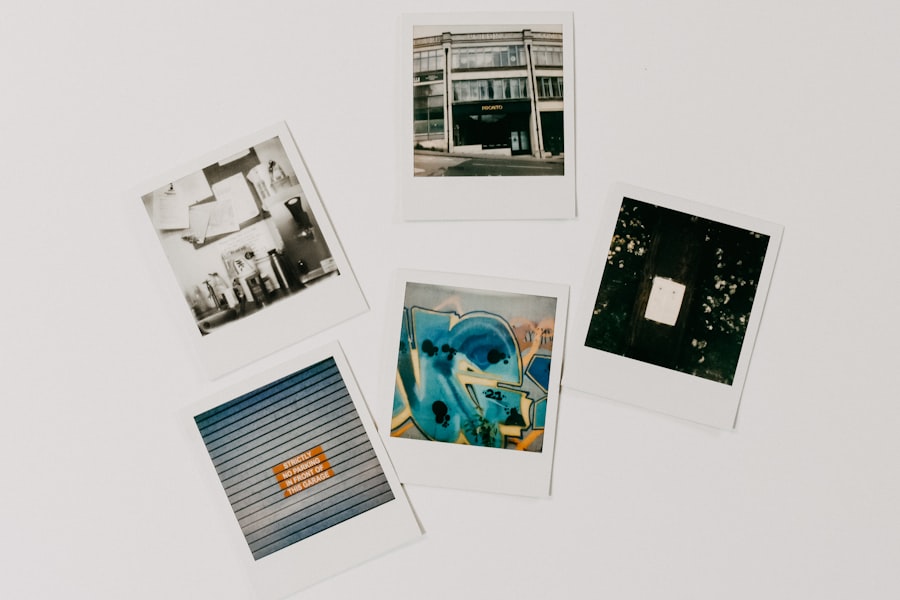
Once clients have gathered their reference photos, presenting them effectively during the consultation is vital. It’s beneficial to organize these images in a way that tells a cohesive story about what they envision. Clients might consider categorizing their photos based on different aspects of the design, such as style, color palette, or specific elements they want to incorporate.
This organization can help guide the conversation and make it easier for the tattoo artist to understand the client’s preferences. During the consultation, clients should be prepared to discuss each reference photo in detail. This includes explaining why they chose certain images and what specific elements they are drawn to within those photos.
Engaging in an open dialogue allows for a deeper understanding between the client and artist, fostering an environment where creative ideas can flourish. By articulating their thoughts clearly and confidently, clients can ensure that their vision is accurately conveyed and understood.
In today’s digital age, clients have various options for presenting reference photos—either digitally or in physical form. Each method has its advantages and disadvantages. Digital reference photos can be easily shared via smartphones or tablets, allowing for quick access and flexibility during consultations.
This format also enables clients to gather a broader range of images from online sources, making it easier to find inspiration that aligns with their vision. On the other hand, physical reference photos can provide a tactile experience that some clients may prefer. Holding printed images can create a more personal connection to the design process.
Additionally, physical photos can be pinned up or laid out on a table during discussions, allowing for a more interactive consultation experience. Ultimately, the choice between digital and physical reference photos depends on personal preference and comfort level; both methods can effectively communicate ideas when used thoughtfully.
Communicating Your Vision Through Reference Photos
Reference photos are not just about aesthetics; they are powerful tools for communicating a client’s vision. When clients present their chosen images, they should consider what emotions or messages they want their tattoo to convey. For example, a serene landscape might represent tranquility, while an intricate mandala could symbolize balance and harmony.
By articulating these underlying meanings alongside their reference photos, clients can provide their tattoo artist with a richer context for their design. Furthermore, it’s essential for clients to remain open to feedback from their tattoo artist regarding their vision. Artists often have valuable insights based on their experience and expertise that can enhance the final design.
By fostering an open dialogue about both the reference photos and the intended meaning behind them, clients can collaborate with their artists to create a tattoo that is not only visually appealing but also deeply personal.
Incorporating Personal Meaning into Reference Photos
While reference photos are often chosen for their visual appeal, incorporating personal meaning into these images can elevate a tattoo’s significance. Clients should consider selecting photos that resonate with their life experiences or values. For instance, someone might choose a specific flower that holds sentimental value or an animal that represents strength or resilience in their life.
By integrating these personal elements into their reference photos, clients can ensure that their tattoos tell a unique story. Additionally, clients should feel empowered to modify or combine elements from different reference photos to create something truly original. This creative process allows for personalization beyond what is typically found in standard designs.
By discussing these modifications with their tattoo artist during the consultation, clients can collaborate on a design that reflects both their aesthetic preferences and personal narratives.
Understanding the Limitations of Reference Photos

While reference photos are invaluable tools in the tattoo consultation process, it’s important for clients to understand their limitations. Not every image will translate perfectly into a tattoo due to factors such as size, skin type, and placement on the body. Certain details may be lost or altered when rendered as a tattoo, which is why it’s crucial for clients to maintain realistic expectations about what can be achieved.
Moreover, artists may have their own unique styles and techniques that influence how they interpret reference photos. Clients should be open to suggestions from their tattoo artist regarding adjustments or modifications that may enhance the final design while still staying true to the original vision. Understanding these limitations fosters a collaborative spirit between client and artist, ultimately leading to a more successful outcome.
Tips for a Successful Tattoo Consultation with Reference Photos
To ensure a successful tattoo consultation using reference photos, clients should come prepared with a clear idea of what they want while remaining open-minded about potential changes. It’s helpful to create a mood board or collection of images that encapsulate not only the desired design but also colors and styles that resonate with them. This preparation demonstrates commitment and thoughtfulness about the process.
Additionally, clients should approach the consultation with an attitude of collaboration rather than dictation. Engaging in an open dialogue with the tattoo artist allows for creative exploration and ensures that both parties feel heard and valued in the process. By fostering this collaborative environment and utilizing reference photos effectively, clients can work alongside their artists to create tattoos that are not only visually stunning but also deeply meaningful.
In conclusion, reference photos play an essential role in tattoo consultations by enhancing communication and helping clients articulate their visions clearly. By choosing appropriate images, presenting them thoughtfully, and incorporating personal meaning into their selections, clients can collaborate effectively with their tattoo artists at Opal Lotus in Houston. Understanding both the strengths and limitations of reference photos will lead to more successful outcomes and ultimately result in tattoos that are cherished for years to come.
FAQs
What is a tattoo consultation?
A tattoo consultation is a meeting between a client and a tattoo artist to discuss and plan the design of a tattoo. It is an opportunity for the client to communicate their ideas and for the artist to provide guidance and expertise.
Why is bringing reference photos to a tattoo consultation important?
Bringing reference photos to a tattoo consultation is important because it helps the client and the artist to visualize and discuss the desired design. Reference photos can provide inspiration, convey specific details, and ensure that both parties are on the same page.
What types of reference photos should be brought to a tattoo consultation?
Clients should bring a variety of reference photos to a tattoo consultation, including images of specific elements they want in the tattoo, examples of similar tattoos they like, and any relevant personal or cultural references. It is also helpful to bring photos of the body area where the tattoo will be placed.
How can clients effectively communicate their ideas through reference photos during a tattoo consultation?
Clients can effectively communicate their ideas through reference photos by being clear and specific about what they like or dislike in each image. They should also be open to the artist’s input and be willing to discuss how the reference photos can be incorporated into a unique and personalized design.
What should clients consider when selecting reference photos for a tattoo consultation?
When selecting reference photos for a tattoo consultation, clients should consider the style, size, placement, and overall aesthetic of the tattoo they want. It is important to choose reference photos that accurately represent the desired outcome and to be open to the artist’s suggestions for adaptation and improvement.