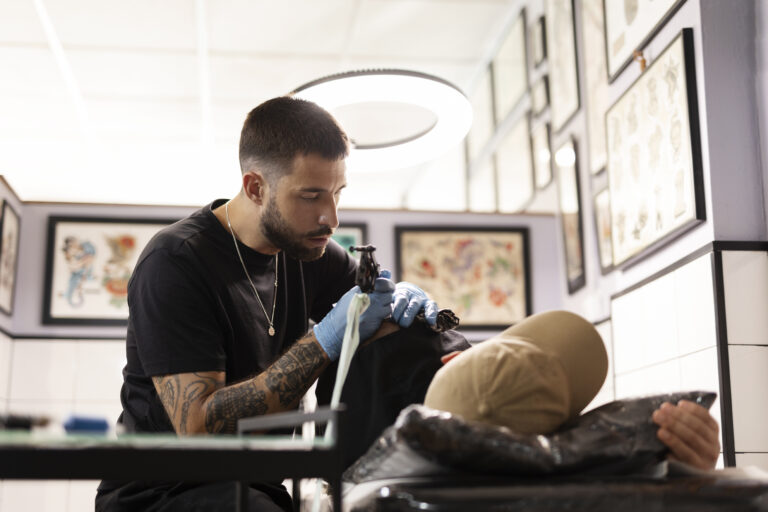
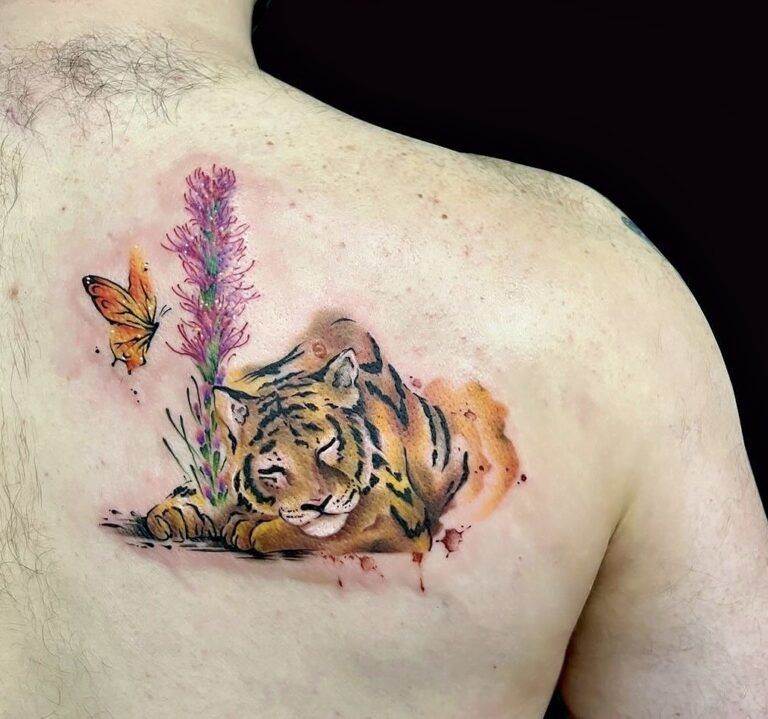
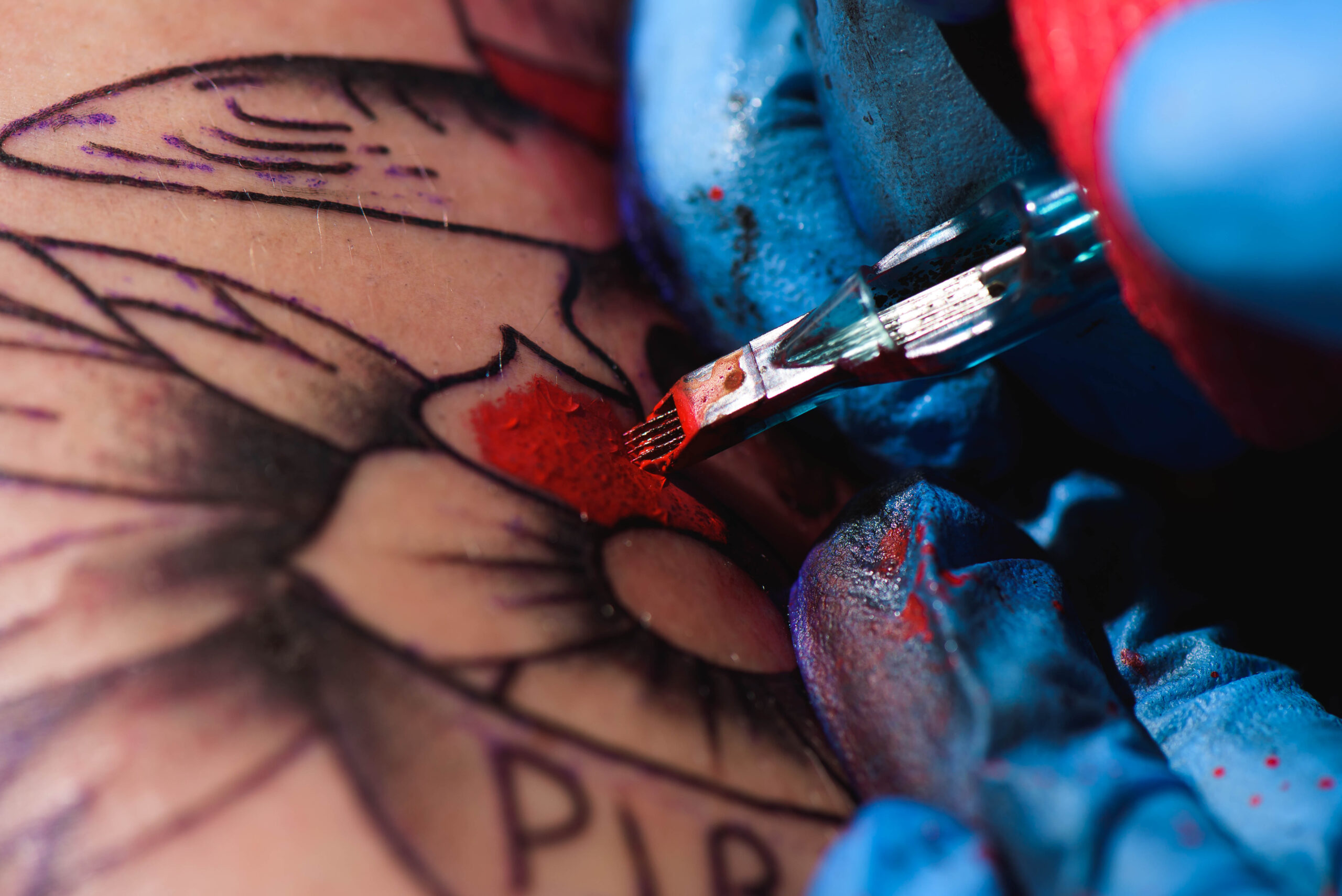
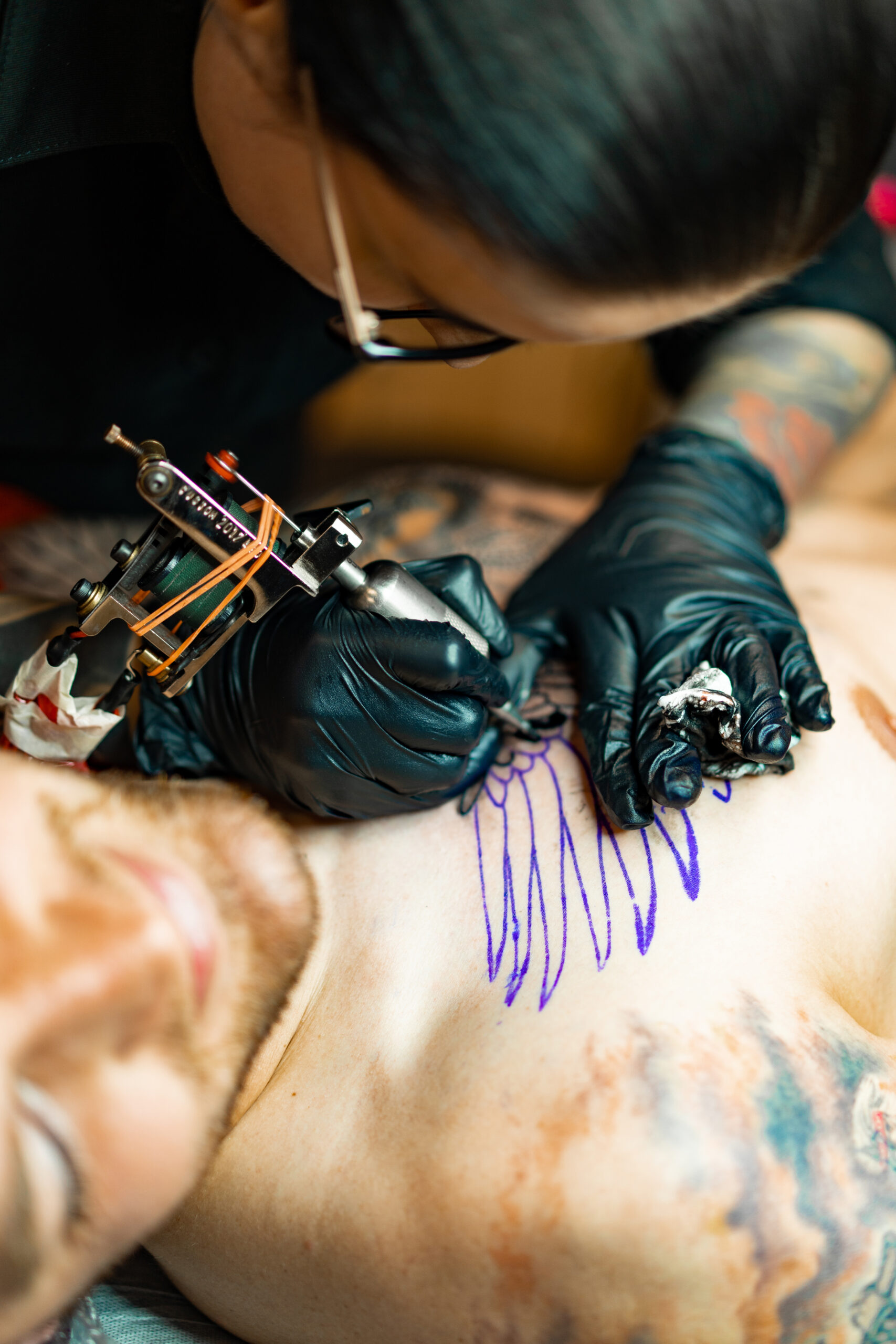
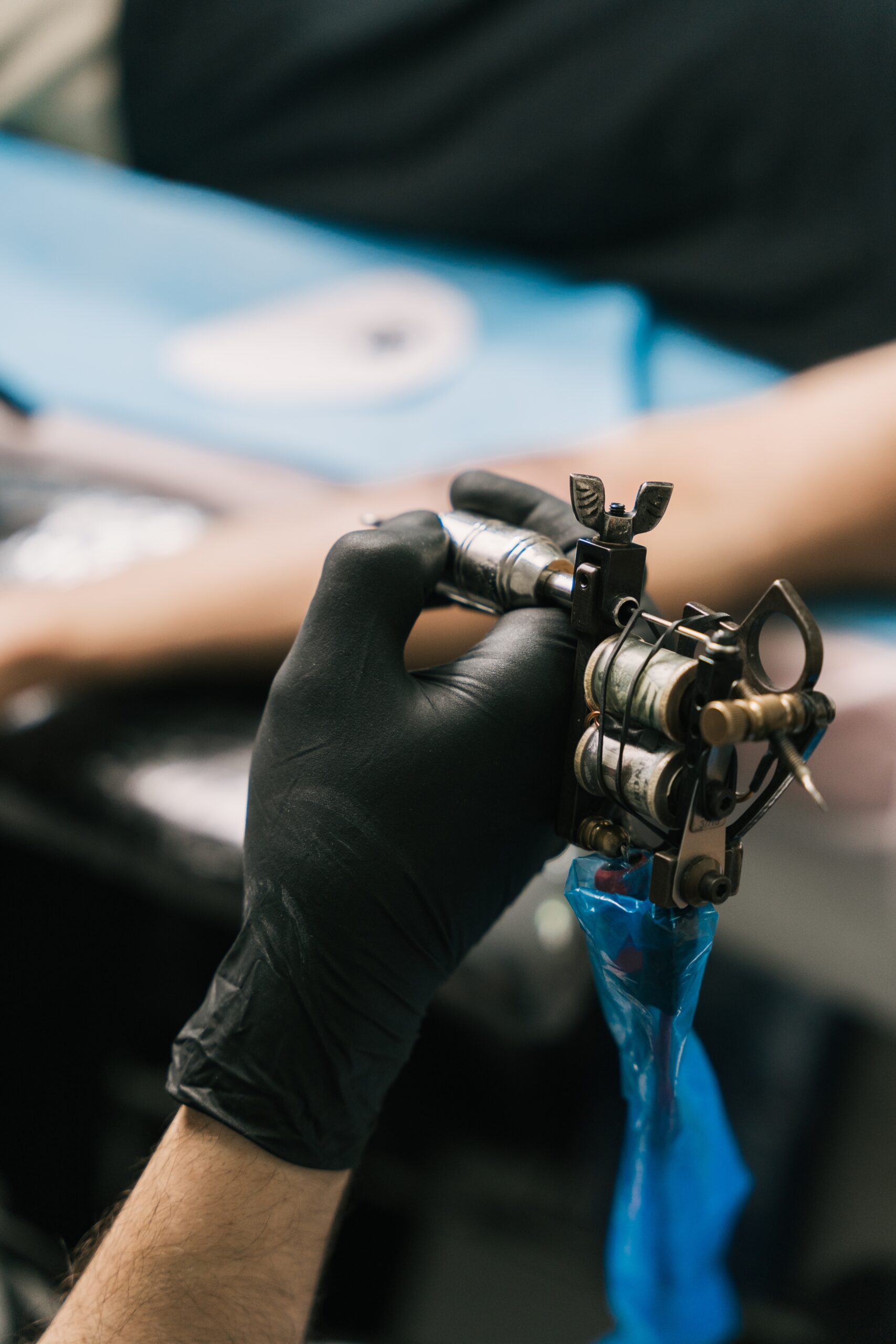
The healing process of a tattoo is a crucial aspect that every tattoo enthusiast should understand. When you get a tattoo, your skin undergoes a series of changes as it works to heal the punctured layers. Initially, the area may appear red and swollen, which is a natural response to the trauma inflicted by the tattoo needle.
This inflammation is part of the body’s defense mechanism, signaling that it is working to repair itself. Over the next few days, you may notice scabbing and peeling as the outer layer of skin begins to regenerate. This phase can last anywhere from one to three weeks, depending on various factors such as the size of the tattoo, its location, and your individual healing capabilities.
During this healing period, it is essential to keep the tattoo clean and moisturized. Using a gentle, fragrance-free soap and a suitable aftercare ointment can help facilitate healing while preventing infection. It’s also important to avoid picking at scabs or peeling skin, as this can lead to scarring or color loss in the tattoo.
Understanding these stages of healing not only helps in maintaining the integrity of your new ink but also prepares you for how to manage your physical activities during this time.
Key Takeaways
- Understanding the Healing Process:
- Tattoos are an open wound and require time to heal properly.
- The healing process can take up to 2-3 weeks, and during this time, it’s important to keep the tattoo clean and moisturized.
- Safe Exercises for Fresh Tattoos:
- Low-impact exercises such as walking and light stretching are safe for fresh tattoos.
- Avoid high-impact activities that may cause excessive sweating or friction on the tattooed area.
- Modifications for Weightlifting:
- If weightlifting with a fresh tattoo, consider modifying your routine to avoid placing direct pressure on the tattooed area.
- Use caution when using weightlifting gloves or straps to prevent irritation.
- Cardiovascular Exercise and Tattoos:
- Cardiovascular exercises such as cycling or using the elliptical machine are generally safe for fresh tattoos.
- Be mindful of excessive sweating and friction, and take necessary precautions to protect the tattooed area.
- Yoga and Stretching with New Tattoos:
- Gentle yoga and stretching can be beneficial for promoting blood flow and flexibility, but avoid poses that put pressure on the tattooed area.
- Use a clean towel or yoga mat to protect the tattoo during practice.
- Swimming and Tattoos:
- It’s best to avoid swimming in pools, oceans, or hot tubs with a fresh tattoo to prevent exposure to bacteria and chemicals.
- Wait until the tattoo is fully healed before swimming.
- Tips for Protecting Tattoos During Exercise:
- Keep the tattooed area clean and dry before, during, and after exercise.
- Use breathable, loose-fitting clothing to minimize friction and irritation.
- Consultation with a Professional:
- When in doubt, consult with a professional tattoo artist or dermatologist for personalized advice on exercising with a new tattoo.
Safe Exercises for Fresh Tattoos
Engaging in physical activity after getting a tattoo requires careful consideration to ensure that the healing process is not disrupted. While it may be tempting to jump back into your regular workout routine, it’s crucial to choose exercises that are gentle and low-impact during the initial healing phase. Activities such as walking or light stretching can be beneficial, as they promote circulation without putting undue stress on the tattooed area.
These exercises help maintain mobility and prevent stiffness while allowing your body to focus on healing. As you begin to feel more comfortable, you can gradually introduce more dynamic movements, but always remain mindful of the tattoo’s location. For instance, if your tattoo is on your arm, avoid exercises that involve heavy lifting or excessive movement of that limb until it has fully healed.
Listening to your body is key; if you experience any discomfort or irritation in the tattooed area, it’s best to scale back and allow more time for recovery.



Modifications for Weightlifting
Weightlifting presents unique challenges for those with fresh tattoos, particularly because of the potential for friction and pressure on the skin. If you are an avid lifter, it’s essential to modify your routine to accommodate your new ink. One effective strategy is to focus on lower body workouts or exercises that do not engage the tattooed area directly.
This allows you to maintain your strength training regimen while giving your skin the time it needs to heal properly. When you do return to upper body weightlifting, consider using lighter weights and higher repetitions initially. This approach minimizes strain on the tattooed skin while still allowing you to work on muscle endurance.
Additionally, be cautious about using equipment that may rub against your tattoo, such as weightlifting belts or straps. If possible, opt for exercises that can be performed without these accessories until your tattoo has fully healed.
Cardiovascular Exercise and Tattoos
Cardiovascular exercise is an essential component of a balanced fitness routine, but it requires some adjustments when you have a fresh tattoo. High-intensity cardio activities like running or cycling can lead to excessive sweating, which may irritate the healing skin and increase the risk of infection. To mitigate these risks, consider opting for low-impact cardio options such as walking on a treadmill or using an elliptical machine.
These alternatives allow you to maintain your cardiovascular fitness without putting undue stress on your new ink. Moreover, it’s important to pay attention to how your body responds during cardiovascular workouts. If you notice any discomfort or irritation in the tattooed area, it may be wise to reduce the intensity or duration of your sessions.
Staying hydrated is also crucial during this time; proper hydration supports overall skin health and can aid in the healing process.
Yoga and Stretching with New Tattoos
Yoga and stretching can be excellent ways to maintain flexibility and promote relaxation during the healing process of a new tattoo. However, caution is necessary when practicing these activities with fresh ink. Gentle yoga poses that do not place strain on the tattooed area are ideal during the initial healing phase.
Focus on restorative poses that encourage deep breathing and relaxation rather than intense stretches that could irritate the skin. As your tattoo begins to heal and you feel more comfortable, you can gradually incorporate more dynamic movements into your practice. Pay attention to how your body feels in each pose; if any position causes discomfort in the tattooed area, modify or skip it altogether.
The goal is to support your body’s healing process while still enjoying the benefits of yoga.
Swimming and Tattoos
Water Exposure and Infection Risks
Swimming is a popular summer activity, but it can pose specific challenges for individuals with fresh tattoos. Water exposure can introduce bacteria that may lead to infections if the tattoo is not adequately healed. To minimize the risk of infection, it’s generally recommended to avoid swimming in pools, lakes, or oceans for at least two weeks after getting a tattoo.
Chlorine and Saltwater: Irritants to the Healing Process
Chlorine and saltwater can irritate the skin and hinder the healing process, making it essential to wait until your tattoo has fully healed before engaging in water-based activities. If you’re eager to stay active during this time, consider alternative forms of exercise that do not involve water. Activities like walking or cycling can provide excellent cardiovascular benefits without risking irritation to your new ink.
Returning to Swimming with Confidence
Once your tattoo has healed completely, you can return to swimming with confidence, knowing that your skin is ready for the water. By following these guidelines, you can ensure a safe and healthy recovery for your new tattoo.
Tips for Protecting Tattoos During Exercise
Protecting your new tattoo during exercise is paramount for ensuring its longevity and vibrancy. One of the most effective ways to safeguard your ink is by wearing loose-fitting clothing over the tattooed area while working out. This helps minimize friction and prevents irritation from sweat or fabric rubbing against the skin.
Additionally, consider applying a thin layer of fragrance-free moisturizer or aftercare ointment before exercising; this can create a barrier that protects against sweat and friction. Another important tip is to maintain proper hygiene before and after workouts. Always wash your hands before touching your tattooed area and ensure that any equipment you use is clean.
After exercising, gently cleanse the tattoo with mild soap and pat it dry with a clean towel. This routine helps prevent bacteria from entering the skin and supports a healthy healing process.
Consultation with a Professional
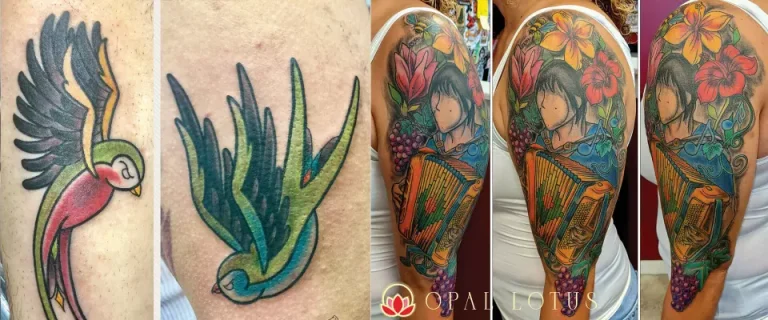
Before embarking on any exercise routine after getting a tattoo, consulting with a professional—such as your tattoo artist or a healthcare provider—can provide valuable insights tailored to your specific situation. Tattoo artists at Opal Lotus in Houston are well-versed in aftercare practices and can offer personalized advice based on their experience with various skin types and tattoo placements. They can guide you on when it’s safe to resume different types of physical activities based on how well your tattoo is healing.
Additionally, if you have any underlying health conditions or concerns about how exercise may affect your healing process, discussing these with a healthcare professional can help ensure that you approach your fitness routine safely. They can provide recommendations tailored to your health status while considering the unique aspects of caring for a fresh tattoo. In conclusion, understanding how to navigate exercise with a fresh tattoo is essential for maintaining both your health and the integrity of your new ink.
By being mindful of the healing process and making necessary modifications to your workout routine, you can enjoy physical activity while allowing your body the time it needs to recover fully. Whether through safe exercises, protective measures during workouts, or consultations with professionals at Opal Lotus in Houston, taking these steps will help ensure that your tattoo remains vibrant and beautiful for years to come.

FAQs
What is the normal healing time for a new tattoo?
The normal healing time for a new tattoo is typically 2-3 weeks. However, it can vary depending on the size and placement of the tattoo, as well as individual healing processes.
Can I exercise with a new tattoo?
It is generally recommended to avoid intense exercise and activities that cause excessive sweating for the first 2 weeks after getting a new tattoo. This is to prevent irritation and potential infection of the tattooed area.
What are some safe workout modifications for a new tattoo?
Safe workout modifications for a new tattoo include avoiding exercises that directly involve the tattooed area, such as weightlifting or yoga poses that put pressure on the tattoo. It is also important to keep the tattooed area clean and dry during exercise.
When is it safe to resume regular exercise after getting a new tattoo?
It is safe to resume regular exercise and activities once the tattoo has fully healed, which typically takes 2-3 weeks. However, it is important to listen to your body and avoid any activities that cause discomfort or irritation to the tattooed area.